10 Best Herbal Creams For Acid Reflux
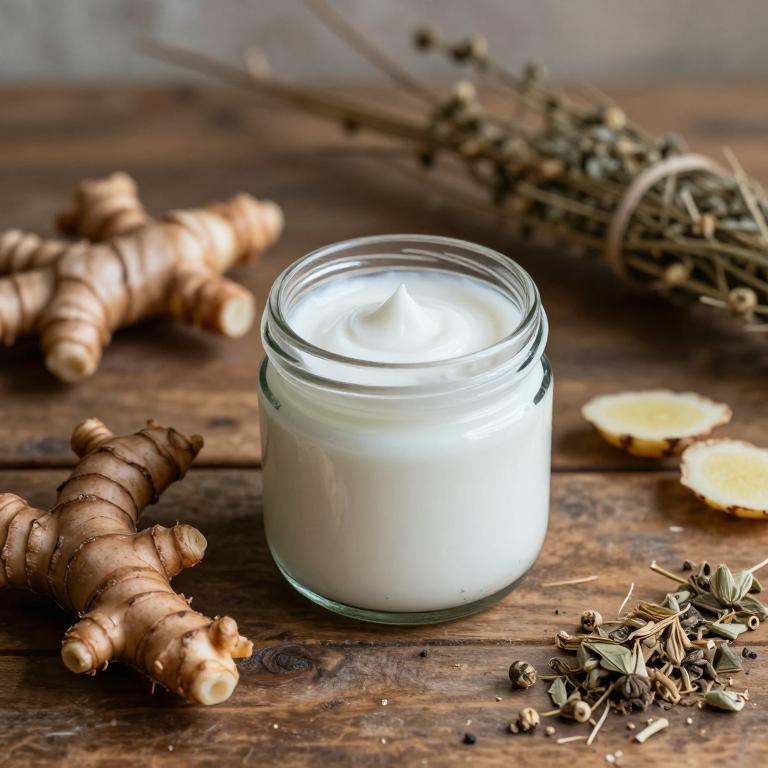
Herbal creams for acid reflux are natural topical treatments that aim to soothe the discomfort associated with heartburn and gastroesophageal reflux disease (GERD).
These creams often contain ingredients like aloe vera, ginger, and chamomile, which are known for their anti-inflammatory and soothing properties. While they may provide relief by reducing irritation and inflammation in the skin, they are not a cure for the underlying causes of acid reflux. It is important to consult a healthcare professional before using herbal creams, especially if symptoms persist or worsen.
These products can be a complementary option alongside lifestyle changes and prescribed medications for managing acid reflux.
Table of Contents
- 1. Ginger (Zingiber officinale)
- 2. Licorice (Glycyrrhiza glabra)
- 3. Chamomile (Matricaria chamomilla)
- 4. Fennel (Foeniculum vulgare)
- 5. Common grape (Vitis vinifera)
- 6. Thistle (Silybum marianum)
- 7. Turmeric (Curcuma longa)
- 8. Black pepper (Piper nigrum)
- 9. Cumin (Cuminum cyminum)
- 10. Dog rose (Rosa canina)
1. Ginger (Zingiber officinale)
Zingiber officinale, commonly known as ginger, has been traditionally used for its soothing properties and is now incorporated into herbal creams designed to alleviate symptoms of acid reflux.
These creams typically contain a blend of ginger extract, essential oils, and other natural ingredients that work together to reduce inflammation and soothe the digestive tract. When applied topically to the chest or throat area, they may help ease discomfort caused by heartburn and indigestion. While herbal creams can provide localized relief, they should not replace medical treatment for chronic acid reflux.
It is important to consult a healthcare professional before using any herbal remedies, especially if symptoms persist or worsen.
2. Licorice (Glycyrrhiza glabra)
Glycyrrhiza glabra, commonly known as licorice root, is often used in herbal creams for its soothing and anti-inflammatory properties that may help alleviate symptoms of acid reflux.
These creams typically contain licorice extract, which can help reduce irritation in the esophagus caused by stomach acid. The active compounds in licorice, such as glycyrrhizin, may work by strengthening the mucous membrane lining, providing a protective barrier against acid. However, it is important to note that licorice can sometimes increase stomach acid production, so it should be used with caution and under the guidance of a healthcare professional.
While some people find relief with licorice-based creams, they are not a substitute for conventional treatments prescribed by a doctor.
3. Chamomile (Matricaria chamomilla)
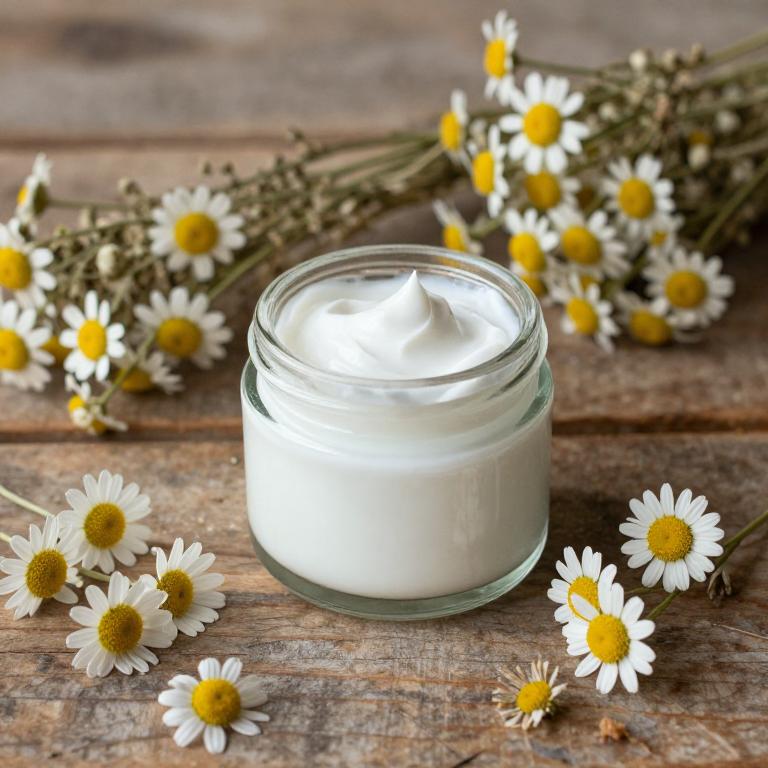
Matricaria chamomilla, commonly known as chamomile, is often used in herbal creams for its calming and anti-inflammatory properties.
These creams may help alleviate the discomfort associated with acid reflux by soothing the irritated lining of the esophagus. Chamomile contains compounds like bisabolol and flavonoids, which have been shown to reduce inflammation and promote healing. While not a cure for acid reflux, chamomile creams can serve as a complementary therapy to support overall digestive health.
It is important to consult a healthcare provider before using any herbal remedy, especially if you have underlying medical conditions or are taking other medications.
4. Fennel (Foeniculum vulgare)
Foeniculum vulgare, commonly known as fennel, is often used in herbal creams for its potential digestive benefits, including relief from acid reflux.
The essential oils in fennel, particularly anethol, are believed to have antispasmodic and anti-inflammatory properties that may help reduce the discomfort associated with heartburn and indigestion. When applied topically as a cream, fennel may soothe the chest and upper abdominal areas, offering a natural alternative for those seeking relief without oral medications. However, it is important to note that while some anecdotal evidence supports its use, scientific research on its effectiveness for acid reflux is limited.
As with any herbal remedy, it is advisable to consult a healthcare professional before incorporating fennel creams into a treatment regimen.
5. Common grape (Vitis vinifera)
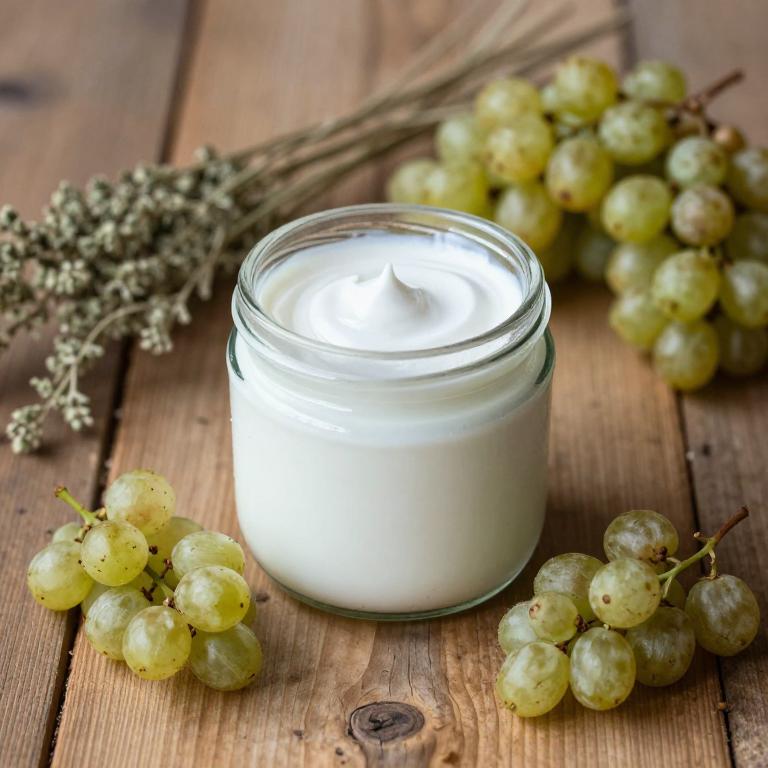
Vitis vinifera, commonly known as the grape vine, is a plant that has been used in traditional herbal medicine for its potential health benefits.
Herbal creams derived from Vitis vinifera are believed to offer soothing properties that may help alleviate symptoms of acid reflux by reducing inflammation and irritation in the digestive tract. These creams often contain extracts rich in antioxidants and anti-inflammatory compounds, which may support the healing of the esophageal lining. While they are not a substitute for medical treatment, some individuals find relief from using these natural products as part of a holistic approach to managing acid reflux.
It is important to consult a healthcare professional before incorporating any herbal remedies into your routine to ensure safety and effectiveness.
6. Thistle (Silybum marianum)
Silybum marianum, also known as milk thistle, is a herbal remedy that has been studied for its potential benefits in reducing symptoms of acid reflux.
The active compound, silymarin, is believed to have anti-inflammatory and antioxidant properties that may help protect the stomach lining and reduce acid production. Some herbal creams containing silybum marianum are marketed as natural alternatives to conventional acid reflux treatments, though scientific evidence supporting their efficacy is limited. While these creams may offer some relief for mild symptoms, they should not replace professional medical advice or prescribed medications.
It is important to consult a healthcare provider before using any herbal product, especially if you have underlying health conditions or are taking other medications.
7. Turmeric (Curcuma longa)
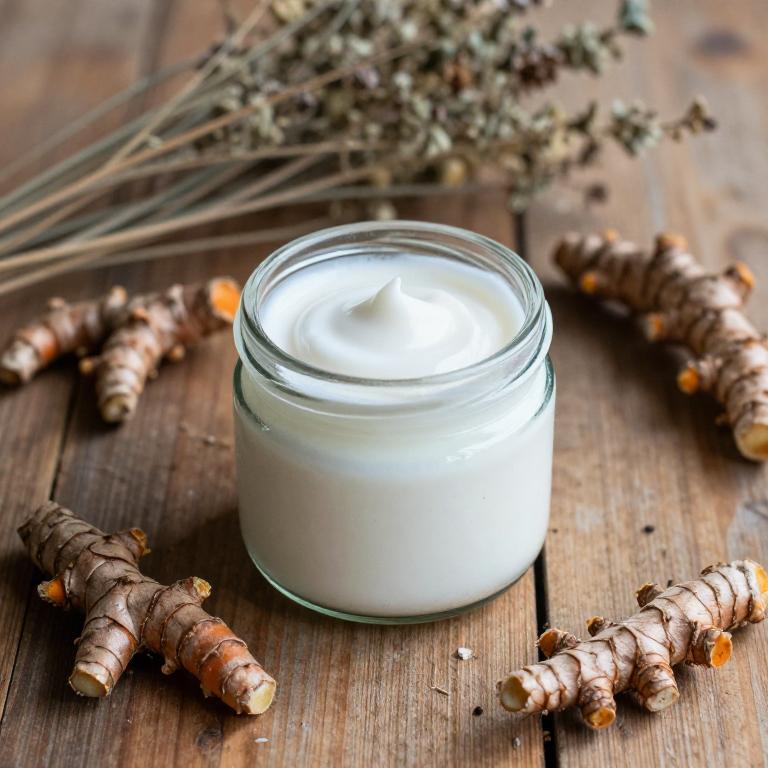
Curcuma longa, commonly known as turmeric, contains curcumin, a compound with anti-inflammatory and antioxidant properties that may help alleviate symptoms of acid reflux.
When incorporated into herbal creams, curcumin can provide localized relief by reducing inflammation in the esophageal lining and soothing irritation. These creams are often used as a complementary therapy alongside conventional treatments for heartburn and gastroesophageal reflux disease (GERD). However, it is important to consult a healthcare professional before using turmeric-based products, as they may interact with certain medications or conditions.
While some studies suggest potential benefits, more research is needed to fully understand the efficacy of curcuma longa herbal creams for acid reflux.
8. Black pepper (Piper nigrum)
Piper nigrum, commonly known as black pepper, has been traditionally used in herbal remedies for its potential digestive benefits.
When incorporated into herbal creams, piper nigrum may help alleviate symptoms of acid reflux by stimulating digestion and reducing stomach acidity. These creams are often applied topically to the chest or abdomen to provide localized relief from discomfort. While some studies suggest that piper nigrum may support gastrointestinal health, more research is needed to confirm its effectiveness for acid reflux.
As with any herbal remedy, it is advisable to consult a healthcare professional before use, especially for individuals with existing medical conditions or those taking medications.
9. Cumin (Cuminum cyminum)
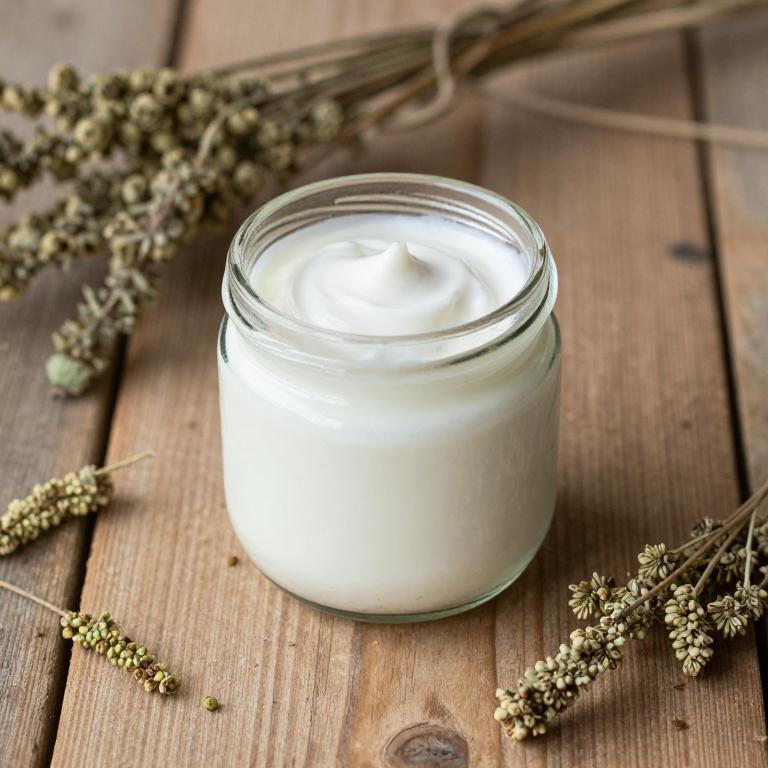
Cuminum cyminum, commonly known as cumin, has been traditionally used in herbal remedies for its digestive benefits, and some herbal creams infused with cumin oil may be marketed for alleviating symptoms of acid reflux.
These creams are often formulated with other soothing ingredients like ginger, licorice, or aloe vera to provide a calming effect on the stomach lining. While there is limited scientific evidence directly linking cumin-based creams to the relief of acid reflux, they may help reduce inflammation and support overall digestive health. It is important to consult a healthcare provider before using such remedies, especially if symptoms persist or worsen.
Overall, while cumin may offer some supportive benefits, it should not replace conventional treatments for acid reflux.
10. Dog rose (Rosa canina)
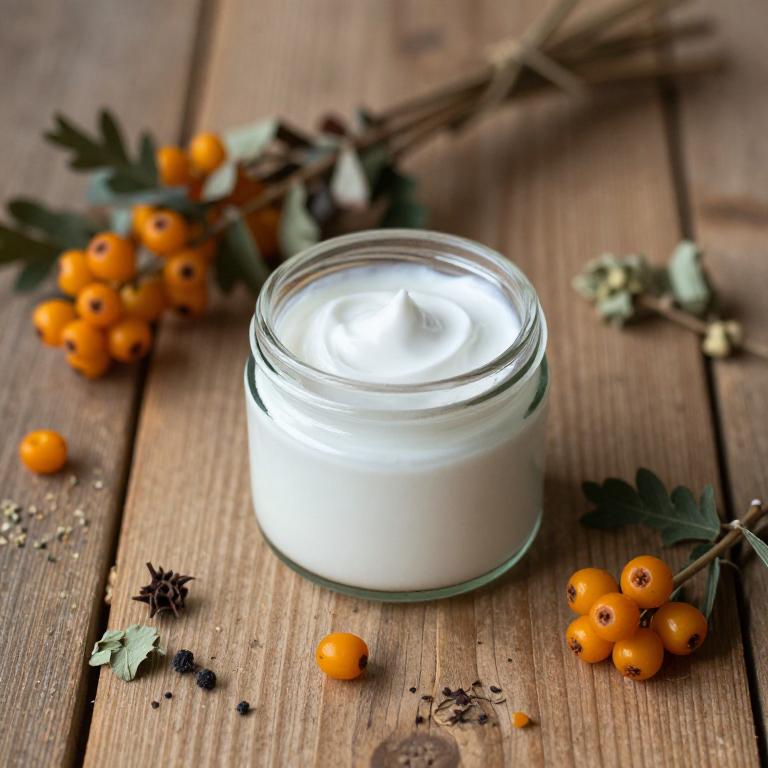
Rosa canina, also known as rose hip, is a traditional herbal remedy that has been used for its anti-inflammatory and digestive benefits.
Rosa canina herbal creams are often formulated with extracts from the fruit of the rose plant, which is rich in vitamins, particularly vitamin C, and essential fatty acids. These creams are sometimes recommended for individuals suffering from acid reflux due to their potential to soothe inflammation in the digestive tract. However, it is important to consult a healthcare professional before using such products, as they may interact with other medications or not be suitable for everyone.
While some anecdotal evidence suggests that rosa canina may help alleviate symptoms of acid reflux, more scientific research is needed to confirm its effectiveness in this context.