10 Best Herbal Capsules For Abdominal Pain

Herbal capsules are commonly used as a natural remedy for abdominal pain, offering a gentler alternative to conventional pharmaceutical treatments.
These capsules typically contain a blend of herbs such as peppermint, ginger, and chamomile, which are known for their anti-inflammatory and soothing properties. They work by reducing intestinal spasms, easing digestion, and calming the gastrointestinal tract. Many individuals prefer herbal capsules due to their minimal side effects and holistic approach to health.
However, it is important to consult a healthcare professional before use, especially for those with underlying medical conditions or taking other medications.
Table of Contents
- 1. Ginger (Zingiber officinale)
- 2. Turmeric (Curcuma longa)
- 3. Fennel (Foeniculum vulgare)
- 4. Thistle (Silybum marianum)
- 5. Black pepper (Piper nigrum)
- 6. Cumin (Cuminum cyminum)
- 7. Stinging nettle (Urtica dioica)
- 8. Chamomile (Matricaria chamomilla)
- 9. Peppermint (Mentha piperita)
- 10. Dog rose (Rosa canina)
1. Ginger (Zingiber officinale)
Zingiber officinale, commonly known as ginger, is widely used in herbal medicine for its potential to alleviate abdominal pain.
The active compounds in ginger, such as gingerol and shogaol, possess anti-inflammatory and analgesic properties that may help reduce gastrointestinal discomfort. Herbal capsules containing zingiber officinale are often recommended for individuals experiencing mild to moderate stomach cramps, nausea, or bloating. These capsules offer a convenient and standardized form of ginger supplementation, making it easier to incorporate into daily routines.
However, it is important to consult a healthcare provider before use, especially for those with existing medical conditions or taking other medications.
2. Turmeric (Curcuma longa)

Curcuma longa, commonly known as turmeric, is a widely used herbal remedy that contains curcumin, a compound known for its anti-inflammatory and antioxidant properties.
Curcuma longa herbal capsules are often taken to alleviate symptoms of abdominal pain due to their ability to reduce inflammation in the digestive tract. These capsules are typically standardized to ensure a consistent dose of curcumin, enhancing their effectiveness. They are generally considered safe when taken in recommended doses, though they may interact with certain medications.
While they can be a helpful complementary therapy, they should not replace professional medical advice or treatment for persistent abdominal pain.
3. Fennel (Foeniculum vulgare)
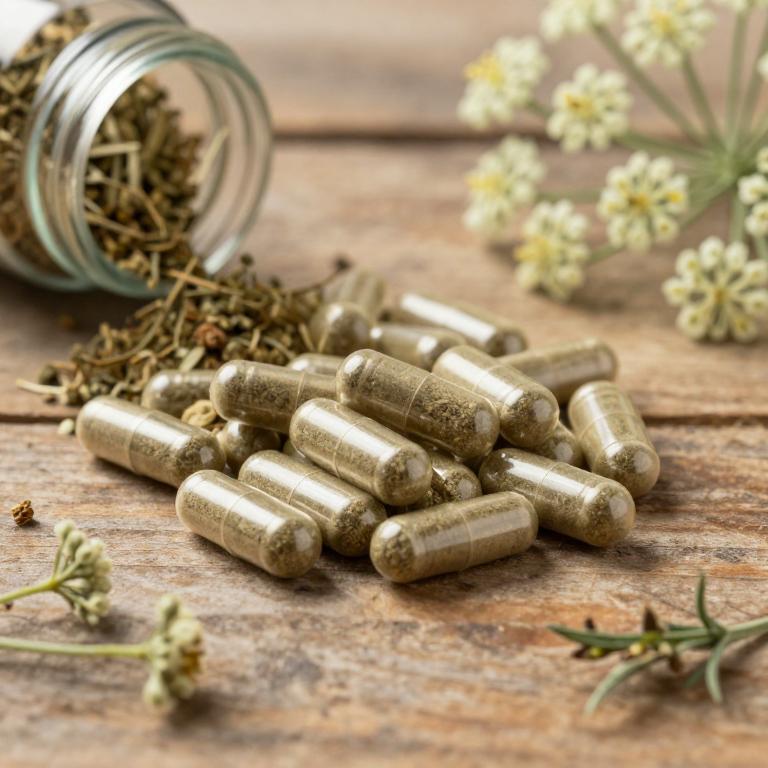
Foeniculum vulgare, commonly known as fennel, has been traditionally used for its digestive benefits, and fennel herbal capsules are often recommended for alleviating abdominal pain.
The active compounds in fennel, such as anethole and flavonoids, possess antispasmodic and carminative properties that help relieve cramping and bloating. These capsules are typically taken orally, and their effects may be particularly beneficial for individuals experiencing gas-related discomfort or mild gastrointestinal spasms. While generally considered safe, it is advisable to consult a healthcare professional before use, especially for those with known allergies or on other medications.
Fennel herbal capsules offer a natural alternative for managing mild abdominal pain, though they should not replace medical treatment for more severe conditions.
4. Thistle (Silybum marianum)

Silybum marianum, also known as milk thistle, is a herbal supplement commonly used for its potential liver-protecting properties.
While it is primarily known for supporting liver health, some studies suggest it may also help alleviate symptoms of abdominal pain, particularly when the discomfort is related to digestive or liver dysfunction. The active compound in silybum marianum, silymarin, is believed to have anti-inflammatory and antioxidant effects that may reduce irritation in the gastrointestinal tract. Herbal capsules containing silybum marianum are often taken as a dietary supplement, though they should not replace medical treatment for chronic or severe abdominal pain.
As with any herbal remedy, it is important to consult a healthcare provider before use, especially for individuals with existing health conditions or those taking other medications.
5. Black pepper (Piper nigrum)

Piper nigrum, commonly known as black pepper, has been traditionally used in herbal medicine for its potential therapeutic effects on various health conditions, including abdominal pain.
The active compound in black pepper, piperine, is believed to possess anti-inflammatory, antioxidant, and analgesic properties that may help alleviate gastrointestinal discomfort. Herbal capsules containing Piper nigrum are often used as a natural remedy to support digestion and reduce bloating, cramping, and other symptoms associated with abdominal pain. However, while some studies suggest its benefits, more research is needed to fully understand its efficacy and safety for treating specific types of abdominal pain.
As with any herbal supplement, it is advisable to consult a healthcare professional before use, especially for individuals with pre-existing medical conditions or those taking other medications.
6. Cumin (Cuminum cyminum)

Cuminum cyminum, commonly known as cumin, has been traditionally used in herbal medicine for its potential digestive benefits.
Cumin herbal capsules are formulated to support digestive health and may help alleviate symptoms of abdominal pain by promoting healthy digestion and reducing gas and bloating. The essential oils in cumin, such as cuminaldehyde, possess anti-inflammatory and carminative properties that can soothe the gastrointestinal tract. When taken as directed, cumin capsules may provide natural relief for mild to moderate abdominal discomfort.
However, it is important to consult with a healthcare professional before starting any herbal supplement, especially if you have underlying health conditions or are taking other medications.
7. Stinging nettle (Urtica dioica)
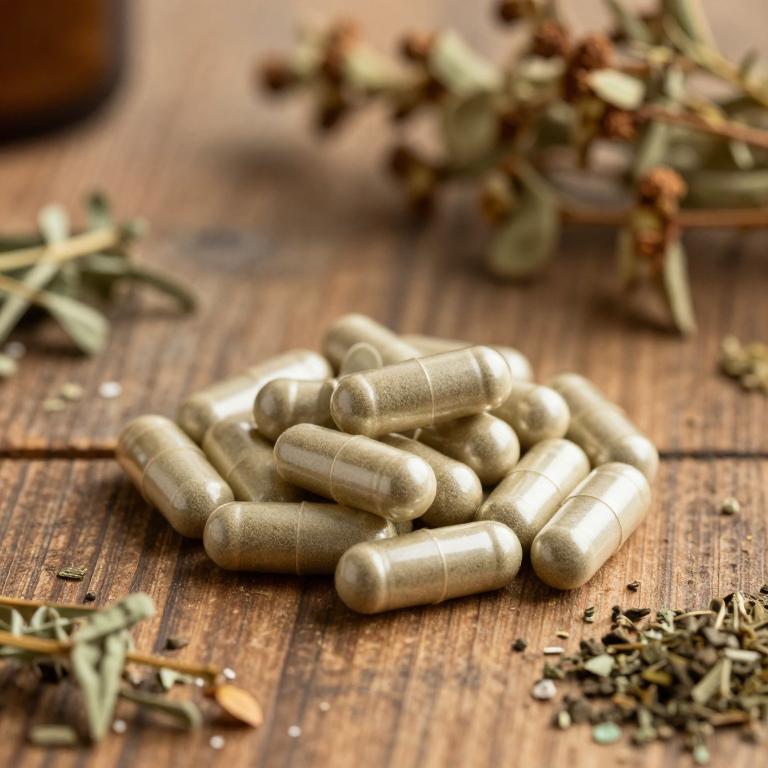
Urtica dioica, commonly known as stinging nettle, is a herb that has been traditionally used for its potential health benefits, including relief from abdominal pain.
Urtica dioica herbal capsules are often formulated to support digestive health and may help alleviate symptoms such as bloating, cramping, and inflammation in the gastrointestinal tract. These capsules are typically made from the dried leaves and stems of the plant, which are rich in antioxidants, minerals, and anti-inflammatory compounds. While some studies suggest that stinging nettle may have a soothing effect on the stomach lining, it is important to consult a healthcare professional before use, especially for individuals with pre-existing conditions or those taking other medications.
Overall, Urtica dioica herbal capsules may offer a natural approach to managing abdominal discomfort, though more research is needed to fully understand their efficacy and safety.
8. Chamomile (Matricaria chamomilla)

Matricaria chamomilla, commonly known as chamomile, is widely used in herbal medicine for its calming and anti-inflammatory properties.
Chamomile herbal capsules are often taken to alleviate symptoms of abdominal pain, such as cramping, bloating, and digestive discomfort. The active compounds in chamomile, including flavonoids and bisabolol, are believed to reduce intestinal spasms and soothe the gastrointestinal tract. These capsules are typically standardized to ensure consistent potency and efficacy.
While generally considered safe, it is advisable to consult a healthcare professional before using chamomile, especially for prolonged periods or in combination with other medications.
9. Peppermint (Mentha piperita)

Mentha piperita, commonly known as peppermint, is often used in herbal capsules to alleviate symptoms of abdominal pain.
The active compounds in peppermint, such as menthol and other essential oils, have antispasmodic properties that help relax the muscles of the gastrointestinal tract. These capsules are typically taken orally and are considered a natural remedy for conditions like irritable bowel syndrome (IBS) and gas-related discomfort. Clinical studies suggest that peppermint oil capsules can effectively reduce cramping and bloating associated with digestive issues.
However, it is important to consult a healthcare professional before use, especially for individuals with certain medical conditions or those taking other medications.
10. Dog rose (Rosa canina)

Rosa canina, also known as dog rose, is a traditional herbal remedy that has been used for centuries to support digestive health.
Rosa canina herbal capsules are commonly used to alleviate symptoms of abdominal pain due to their anti-inflammatory and antispasmodic properties. These capsules contain the dried berries of the Rosa canina plant, which are rich in antioxidants, vitamins, and essential nutrients. They are often recommended for individuals suffering from mild gastrointestinal discomfort, such as bloating, cramps, or irregular digestion.
As a natural supplement, Rosa canina capsules are generally considered safe, though it is advisable to consult a healthcare professional before starting any new herbal regimen.